
By Evan Hall
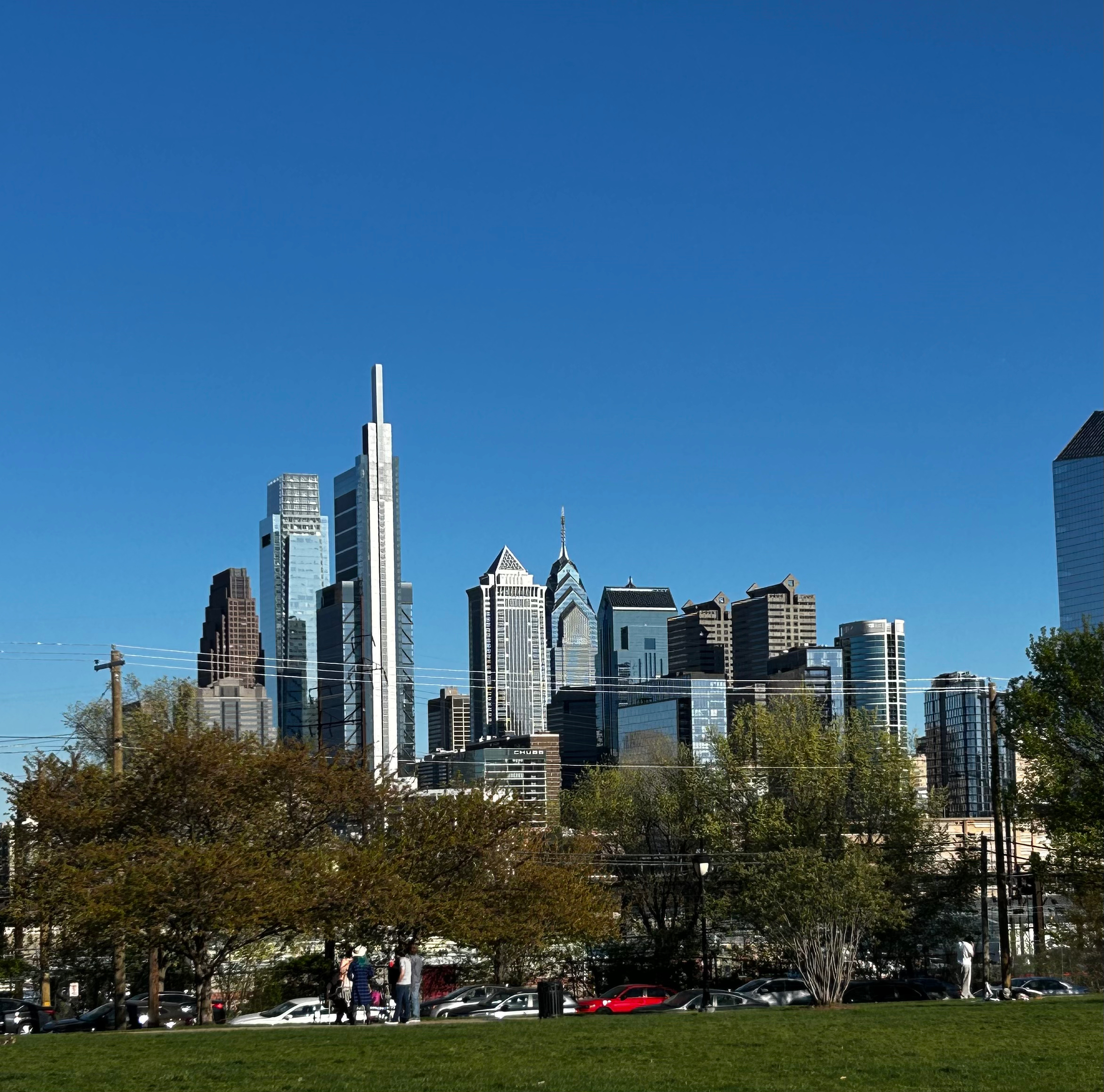
Redevelopment across Philadelphia’s historic neighborhoods is creating new housing opportunities for some residents while more than 20,000 others have been displaced, according to data from the National Community Reinvestment Coalition.
Gentrification has become a significant issue for longtime residents in affected communities since 1990. In fact, “between 1980 and 2020, 10 out of 18 gentrifying neighborhoods in Philadelphia shifted from Black majorities to white or other races,” said Bruce Mitchell, principal researcher with the National Community Reinvestment Coalition.
Philadelphia residents have expressed concern over the ongoing gentrification and have emphasized a loss in community.
“Growing up, there were local businesses that my mom, my sisters, and I would go to all the time. Since then, most of the stores have been shut down or replaced with something completely different,” said Rhawnhurst resident Radiva Howard.
These concerns are reflected not only in residents’ experiences but also in rising property costs all across the city.
In neighborhoods like Kingsessing and East Germantown, there was a 30% to 50% jump in property valuations, which ultimately determines real estate tax bills. Many homeowners in these areas reporting a tax bill increase from $300-$1,500, according to a report from the Philadelphia Inquirer. This rise in property values coincided with a decline in affordable rental units.
According to Rachel Brown, a media relations specialist for the Federal Reserve Bank of Philadelphia, from 2000 to 2014 the city “lost 23,628 units with rents that fell below the $750 threshold.”
The $750 threshold is commonly used to signify affordable rent. In gentrifying neighborhoods, it was reported that they “lost low-cost units at over five times the rate of nongentrifying neighborhoods.”
“One Philly, One Future” is a budget plan introduced by city officials that takes aim at preserving Philadelphia’s history while ensuring existing residents have access to affordable housing.
Philadelphia Mayor Cherelle Parker plans to invest $1.5 billion to modernize the city’s infrastructure and strengthen the city’s neighborhoods. The budget also includes added support for the H.O.M.E. initiative, which plans to “build or preserve 30,000 units of housing.”
The H.O.M.E. initiative also has the goal of increasing housing supply, preserving affordability, and improving access to quality housing throughout the city.
Philadelphia is ranked among the most affordable cities. However, with the rise of gentrification, those lower housing costs are being pushed out in favor of housing that is often financially out of reach for many residents.
Despite this, Philadelphia also consistently has the highest rate of poverty among the 10 largest cities in America according to the Federal Reserve Bank of Philadelphia.
“We had suddenly been forced to relocate after rent increases,” said Howard.
This is the reality for many Philadelphians affected by gentrification who are displaced as property values and rents increase following corporate real estate investments across the city.
As widespread redevelopment and restructuring in Philadelphia continues, city officials are debating policies like the H.O.M.E. initiative that aim to help preserve affordable housing in Philadelphia, while retaining the city’s longstanding community and feeling of “Brotherly Love.”
City Council members did not respond to requests for comment on the gentrification crisis in Philadelphia. As redevelopment continues, many residents remain uncertain about whether Philadelphia can balance growth while preserving the city’s history and affordability.

